August 11, 2026 · KC Gold and Silver
How to Find a Trustworthy Cash-for-Gold Buyer Near You
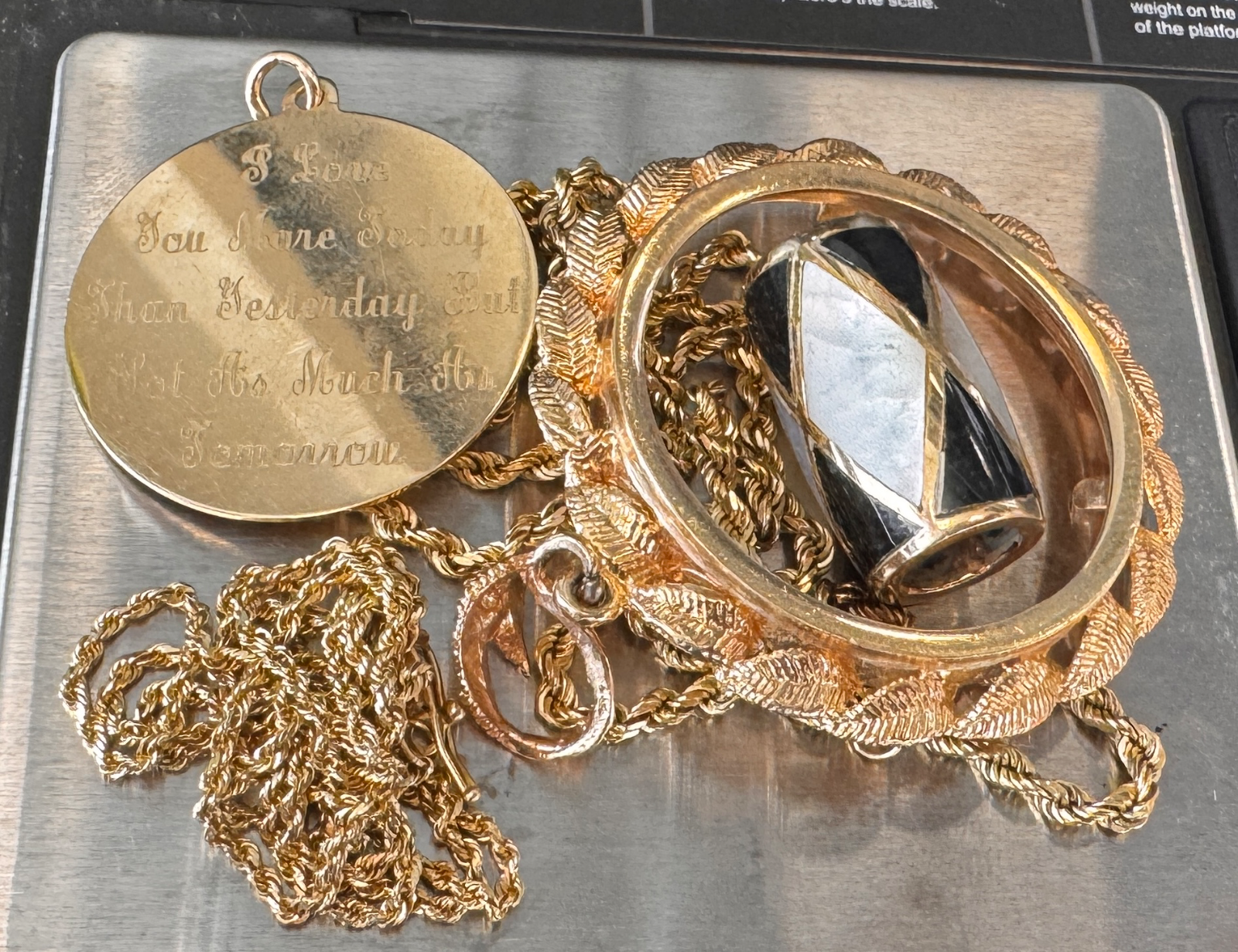
If you've been searching for cash for gold near me, you already know the tricky part isn't finding a buyer, it's finding one you can actually trust. Gold has been trading above $4,300 per troy ounce in 2026, and that has a lot of people digging through jewelry boxes, estate collections, and old dental work looking to cash in. The problem is that not every buyer advertising "instant cash for your gold" is giving you a fair deal. Some quote you a number with no explanation of how they got there. Others mail your jewelry off and send back a check two weeks later for less than you expected, after fees you didn't know existed.
This guide walks you through exactly what separates a trustworthy local gold buyer from a bad one, how the pricing works, and what you need to bring to get a real, market-based offer. KC Gold and Silver in Kansas City is built around doing this the right way: testing items in front of customers, displaying live spot prices, and paying cash the same day.
What a Trustworthy Local Gold Buyer Looks Like
Before you hand anything over, you should know what a reputable buyer actually does. The standard isn't complicated, but it matters enormously for what ends up in your pocket. Three practices separate legitimate operations from the ones worth skipping: transparent spot pricing, in-person testing, and clean offers with no surprise deductions.
Live Spot Pricing Shown Openly
A trustworthy buyer ties every offer to the current market. The gold spot price changes daily, and as of 2026, it's been trading in the $4,300-plus per troy ounce range. Your payout should reflect that number, not a fixed rate the buyer set last month. Reputable buyers display live spot prices on a visible screen or quote them directly so you can verify the math yourself before agreeing to anything. If a buyer won't tell you the spot price they're using, that's your first warning sign, and a good reason to walk out the door.
In-Person Testing Done in Front of You
Transparency during testing matters just as much as the final number. A legitimate buyer will weigh your items on a calibrated scale and test purity while you watch, not behind a counter or in a back room. You're entitled to see the process, not just the result. At KC Gold and Silver, this hands-in-front-of-you evaluation is standard practice, not something you have to ask for. If a buyer asks you to leave items and come back later for an offer, that's a situation you don't need to accept.
No Surprise Deductions at Payout
Some buyers quote a headline percentage of melt value and then subtract "refining fees," "handling charges," or "processing costs" that were never mentioned upfront. A clean offer is a final cash amount with no hidden line items. Before you accept anything, ask directly: "Is this the final number, or are there deductions?" A buyer who hedges on that answer or starts listing fees after the fact isn't worth your time. Ask for a written breakdown showing the net amount so you can confirm it yourself. The number they say out loud should be the number they hand you.
Red Flags to Walk Away From Before You Hand Anything Over
Knowing what a good buyer looks like is half the picture. The other half is recognizing when something's off before you've committed to anything.
Vague Pricing with No Explanation
A lowball offer isn't just frustrating, it's often a sign the buyer is counting on you not knowing the math. If they can't explain how they calculated the number (weight, karat, spot price, and payout percentage), don't accept it. A legitimate buyer walks you through each step of the calculation so you can follow along. Guesswork pricing is a negotiation tactic, not a gold appraisal near me or anywhere else, and you're under no obligation to accept a number that comes with no reasoning behind it.
Mail-In Services That Hold Your Property
Mail-in gold services carry specific risks that sellers often don't think through until they're already in the process. Your items ship out, a quote arrives days later, and if you reject the offer, you wait more days for a return. In that window, you've lost control of your property entirely. Many of these services also tack on return shipping or insurance charges if you decline, which effectively penalizes you for saying no. When spot prices move during a multi-day delay, that timing difference costs you real money. Selling locally and walking out with cash the same day eliminates every bit of that friction.
Pressure Tactics and Rushed Evaluations
A legitimate buyer doesn't pressure you to decide on the spot without time to think. A no-obligation evaluation means exactly that: you can hear the offer, walk out, get a second opinion, and come back if you want. If the buyer creates urgency, discourages you from shopping the offer elsewhere, or rushes the evaluation, treat that as a red flag worth acting on immediately. The "take it right now or the offer expires" tactic is a negotiating move designed to stop you from doing the math on your own.
How Gold Is Tested and What That Means for Your Payout
Understanding the appraisal process takes the mystery out of how a buyer arrives at a number. The testing method they use directly affects how accurate your offer is.
The Methods Buyers Use: Acid Test, Electronic Meters, and XRF
Most buyers work through a testing ladder. They start with the hallmark stamped on your jewelry (10K, 14K, 18K, etc.) as a first reference point. From there, they use either an acid scratch test or an electronic karat meter for quick screening. The most accurate non-destructive method is XRF, short for X-ray fluorescence, which reads the exact elemental composition of the metal in seconds without damaging the piece. Industry technical data indicates XRF accuracy typically falls within plus or minus 0.1 to 0.5 percent, making it the preferred tool for professional-grade evaluation. Acid tests are common and acceptable for straightforward pieces, but XRF removes the guesswork entirely on items that are valuable, unusual, or unmarked.
How Karat and Weight Turn Into a Dollar Amount
The pricing formula is simpler than most people expect. The buyer weighs your item in grams, applies the purity percentage for its karat (14K equals 58.3% gold, 18K equals 75%, 24K equals 99.9%), and multiplies against the current spot price per gram. The result is the melt value, the baseline floor for any legitimate offer. Most reputable local buyers pay 60 to 80 percent of melt value, while pawn shops typically pay 30 to 60 percent because they price for resale inventory, not for the gold's metal content. Once you know this formula, you can check any offer against the numbers before you agree to it.
What to Bring and What to Expect at a Reputable Buyer
Walking in prepared makes the process faster and gives you more confidence in the outcome. Here's what you actually need.
ID and Legal Documentation Requirements
Reputable buyers are required by law to verify seller identity before completing a transaction. Expect to show a valid government-issued photo ID and sign a statement confirming you own the items you're selling. In Kansas, dealers are required to collect your name, address, and identification details along with a signed ownership statement. Missouri dealers commonly maintain similar purchase records as well. For cash transactions over $10,000, federal reporting via IRS Form 8300 applies. This is standard practice at any legitimate operation and protects both sides of the transaction.
Supporting Documents That Help Your Case
Bring any receipts, certificates, original packaging, or assay cards you have. These documents don't always change the melt value calculation, but they can verify authenticity quickly and smooth out the evaluation. For coins specifically, original mint packaging or grading certificates from PCGS or NGC can support a numismatic value above and beyond the melt price. The more information you bring, the more efficiently the evaluation goes. Buyers at KC Gold and Silver review these details during the in-person evaluation before finalizing any offer, so having them ready works in your favor.
Local Buyer vs. Pawn Shop vs. Mail-In: Which Actually Pays More?
The three main options for selling gold aren't equal, and the difference between them can be significant in real dollar terms.
Typical Payout Percentages by Buyer Type
Local cash-for-gold buyers typically pay 60 to 80 percent of melt value. Pawn shops generally offer 30 to 60 percent, sometimes lower, because their model is built around resale margin, not metal content. Mail-in services range widely: reputable refiners may offer 70 to 95 percent, but mass-market mail-in operations often come in at 20 to 50 percent, and that's before accounting for shipping delays, holding periods, and return fees if you decline the offer. On a single item with a $500 melt value, the spread between a local buyer and a pawn shop can easily put $100 to $150 more in your pocket.
Why the In-Person, Local Route Usually Wins
The advantages of selling locally compound quickly. You get same-day cash, pricing tied to live spot rates, no shipping risk, and the ability to ask questions face-to-face while the testing happens right in front of you. You can verify the offer against the math, accept it or decline it, and walk out with cash, no waiting on a check to clear, no return-shipping fees, and no penalty for saying no. For Kansas City sellers looking to sell gold near me or find a reliable gold buyer near me, working with a local shop that operates this way means less uncertainty and a higher likelihood that the number you're offered is one you've actually verified yourself.
Find a Cash-for-Gold Buyer Near Me You Can Actually Trust
Finding the right cash-for-gold buyer near me comes down to a few non-negotiables: live spot pricing you can verify, in-person testing you can watch, and a final offer with no hidden deductions. Once you know what to look for, and what to walk away from, the process stops feeling risky and starts feeling straightforward.
If you're in the Kansas City area and searching for cash for gold near me, KC Gold and Silver offers free, no-obligation evaluations with expert testing done right in front of you. Bring your items, get a fair market-based offer tied to live spot prices, and walk out with top dollar for your gold the same day. No mail-in delays, no mystery fees, and no pressure to decide before you're ready.
Book an appointment online or stop in during business hours. The evaluation is free whether you sell or not, and you'll leave knowing exactly what your gold is worth.
Keep reading
September 13, 2026
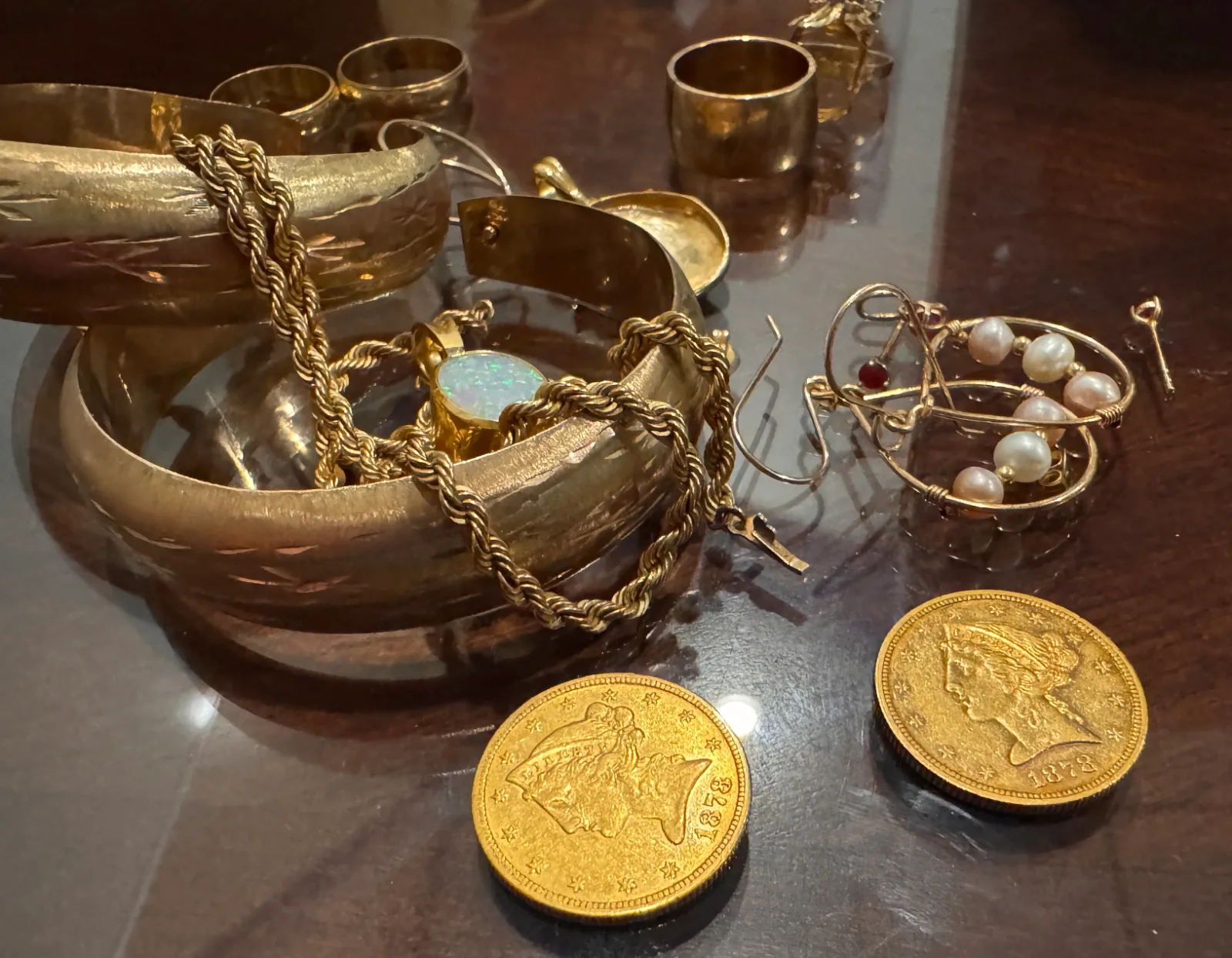
Best Way to Sell Gold for Cash: A Step-by-Step Guide
Most people who sell gold walk away with significantly less cash than their metal was actually worth. The reason usually isn't a scam. It's that they…
Read more →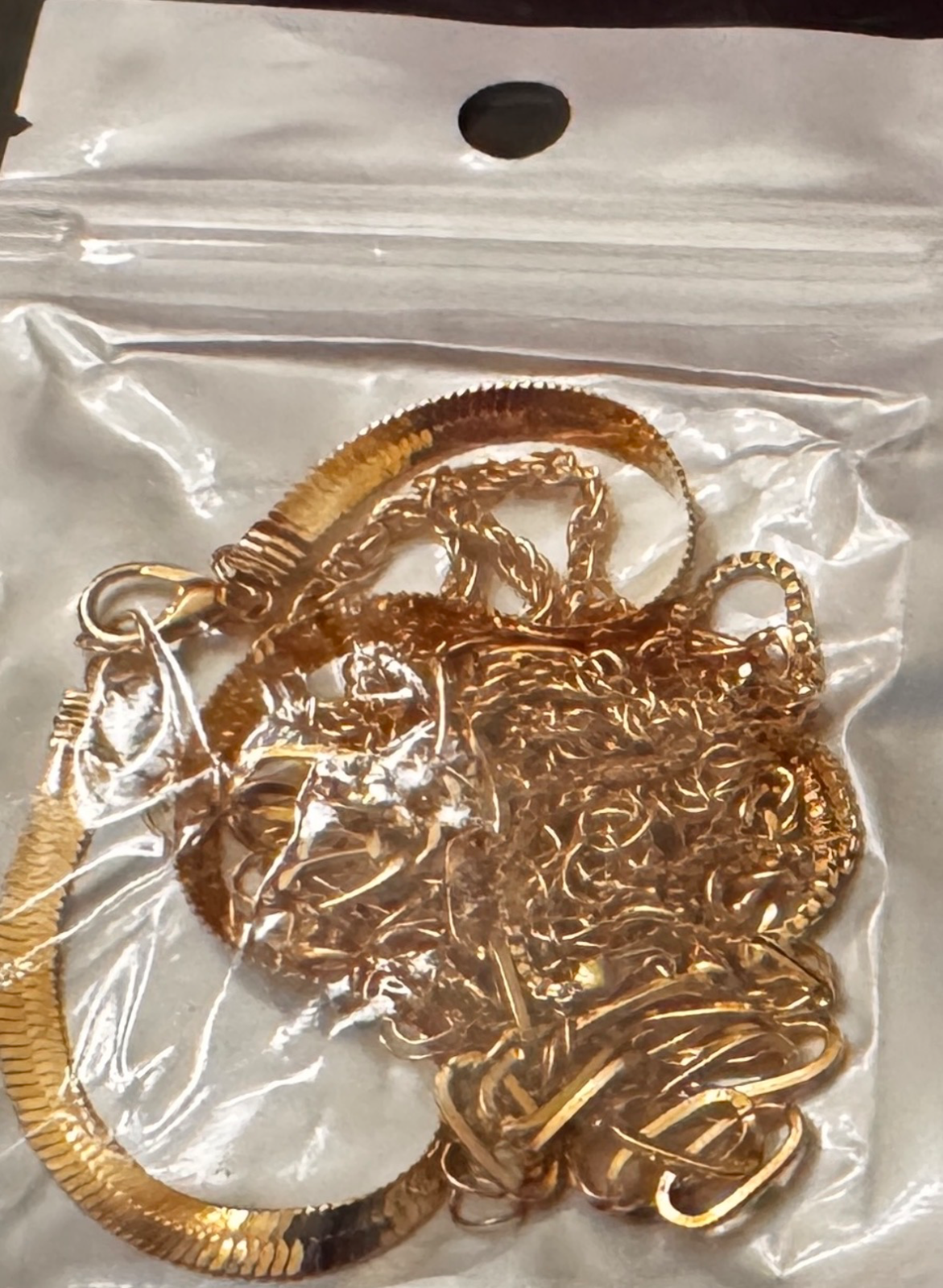
September 12, 2026
Gold spot price at record highs: what sellers should know
When the gold spot price hit a record high of $5,589.38 per troy ounce on January 28, 2026, seasoned dealers stopped mid-sentence. That was the highest…
Read more →
Find out what yours is worth
Bring it by our Lenexa shop for a free, no-pressure evaluation. We test and weigh in front of you, explain the math, and pay on the spot if you accept.