August 13, 2026 · KC Gold and Silver
How to Sell Gold for the Best Price in 2026
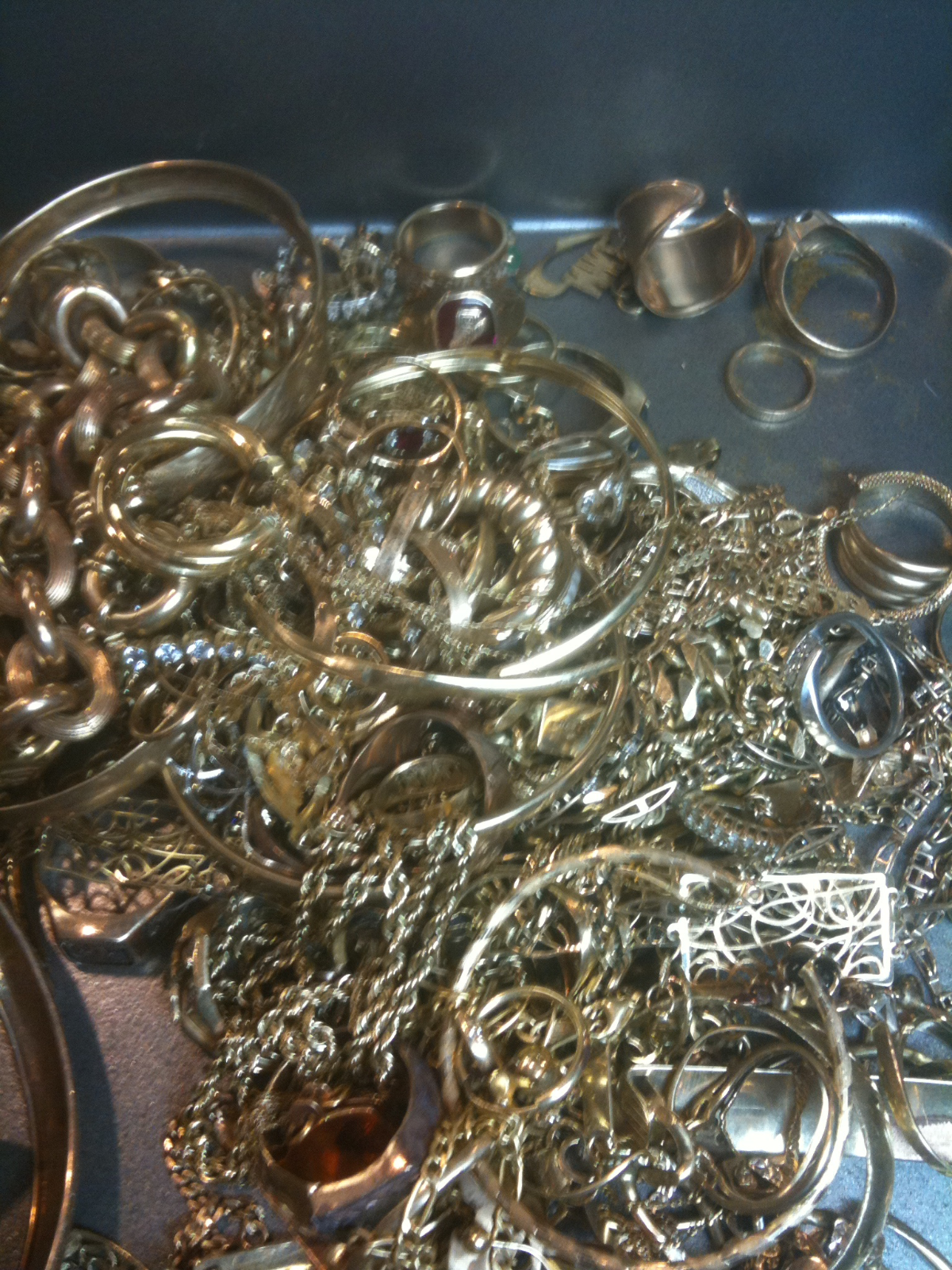
Gold prices in 2026 are sitting near record highs, hovering around $4,400 per troy ounce. That means the bracelet in your junk drawer, the broken chain from your grandmother, or the coins in that old tin box are worth more right now than they have been in years. Most first-time sellers, though, walk away with far less than they should. Not because they got unlucky, but because they didn't know what to look for going in.
If you're wondering how to sell gold and actually get a fair price for it, this guide walks you through the entire process: figuring out what you actually have, how buyers calculate your offer, what a legitimate evaluation looks like, and how to pick the right place to sell. Whether you have a handful of old jewelry or a full coin collection, the process is manageable once you know the rules. Local Kansas City sellers have a distinct advantage with buyers like KC Gold and Silver nearby, but more on that below.
How to sell gold: reading karat stamps and identifying what you have
Before you think about where to sell, spend five minutes identifying what you're working with. Most gold items are stamped with a purity mark somewhere on the piece, usually inside a ring band, on a clasp, or near the bail of a pendant. These stamps tell you exactly how much real gold is in the item.
Common karat stamps and what they mean
The most common markings you'll encounter are 10K (or 417), 14K (or 585), 18K (or 750), and 24K (or 999). A 10K piece is 41.7% gold; an 18K piece is 75% gold. Higher karat means more gold content, which directly affects your payout. If you see "GF," "GP," or "HGP," the item is gold-filled or gold-plated and has minimal melt value.
What types of gold items buyers accept
Most reputable buyers take far more than just rings and necklaces. Broken jewelry, gold watches, dental crowns, gold coins, bullion bars, and charms all qualify. Items don't need to be in perfect condition to have real value, so don't leave anything behind because it looks worn or damaged. If you're looking to sell gold jewelry, sell broken gold, or even sell gold coins and bullion, a specialized buyer can evaluate all of it in one visit.
Quick home checks before your appointment
Two basic tests help you confirm you're working with solid gold before you visit a buyer. First, hold a magnet near the piece: real gold is not magnetic. Second, check for visible discoloration or green marks on the metal, which signal plating. Neither test is definitive, but they give you a reasonable starting point and help you sort your items before you go.
How gold gets priced: the math behind your offer
Every legitimate offer for gold starts with the same formula: spot price × weight × purity. Once you understand this, you can quickly sanity-check any offer you receive and know whether it's fair.
What the gold spot price means for you
The spot price is the current market rate for one troy ounce of pure gold, updated in real time throughout the trading day. At around $4,400 per troy ounce in 2026, even small amounts of gold carry real value. Buyers who display live spot prices on-site give you a clear reference point, a practice KC Gold and Silver follows specifically to take the guesswork out of the process.
The simple valuation formula every seller should know
A 14K gold ring weighing 5 grams contains roughly 2.9 grams of pure gold (5 × 0.585). At current spot, that pure gold content is worth around $415. A buyer's offer will be a percentage of that melt value, not the full amount, because they need margin to cover operating costs and eventual refining.
What realistic payouts look like by item type
Reputable local dealers typically pay 70% to 90% of melt value for jewelry and scrap gold. Recognized bullion coins like American Eagles can fetch 95% to 99% of spot. Pawn shops generally come in at 40% to 60%. Knowing these ranges before you walk in keeps you from accepting an offer that's technically legal but well below market.
What a real evaluation looks like, step by step
A transparent evaluation is not mysterious. If a buyer won't show you exactly what they're doing, that's a problem. Here is what a legitimate process looks like from the moment you walk in the door.
Testing: acid test versus electronic methods
The two most common testing methods are acid testing and X-ray fluorescence (XRF). Acid testing is fast and accurate for most jewelry: the buyer scratches the item on a testing stone and applies karat-specific acid to confirm purity. XRF is non-destructive and gives a precise breakdown of metal content in seconds. Both are valid; what matters is that the test happens in front of you and the result is explained clearly.
Weighing and transparency you should expect
Items should be weighed on a certified scale while you watch. Each piece or group of pieces should be weighed and recorded separately by karat, not lumped together. At KC Gold and Silver, this entire process happens in front of the customer, with live spot prices visible on-screen so you can see exactly how the offer is calculated in real time.
What you should receive before agreeing to anything
A fair buyer provides a clear, line-by-line breakdown: weight per karat group, the purity percentage used, the spot price referenced, and the percentage of melt value being offered. No-obligation means you can take that quote and compare it elsewhere before committing. Any buyer who resists giving you a written breakdown is telling you something important about how they operate.
Local dealer, pawn shop, or online buyer: which one pays more
Your choice of selling channel is the single biggest factor in how much you walk away with. Each option has a legitimate use case, but they are not equal for most first-time sellers.
Local gold dealers: face-to-face and paid the same day
A dedicated local gold buyer evaluates your items in person, explains the offer, and pays cash on the spot. There are no shipping delays, no insurance costs, and no waiting to see if the buyer's inspection matches what you sent. For most sellers with jewelry, coins, or mixed items, a local dealer like KC Gold and Silver is the fastest and most transparent route. You can ask questions, negotiate, and walk out with cash the same day, which beats waiting days for a check that may not reflect what you were told.
Pawn shops: convenient but costly
Pawn shops do buy gold, but their primary business is lending money against items, not buying precious metals at market rates. Their offers typically reflect that priority, landing in the 40% to 60% of melt value range for most jewelry. You may get a quick answer, but you'll almost certainly leave money on the table compared to a specialized buyer.
How to sell gold online vs. local dealers
Platforms that specialize in bullion work reasonably well for selling standard coins and bars because those items are easy to authenticate remotely and the pricing is predictable. Payment typically arrives within one to two business days after verification. For mixed jewelry, oddly sized pieces, or items where purity is uncertain, the mail-in process adds shipping risk and delay that most sellers don't need. You also lose the ability to watch the evaluation, ask questions, or walk away if something feels off. If you're searching for somewhere to sell gold near me, a local specialist will almost always put more cash in your hand than a mail-in service will.
Scams and lowball tactics that cost first-time sellers money
The cash-for-gold industry has a reputation problem for a reason. Several specific tactics show up repeatedly, and knowing them protects you from leaving with less than your gold is worth.
The most common manipulation tactics
Lot bundling means mixing different karat pieces together and paying for all of them at the lowest karat rate. A buyer who lumps your 18K and 10K pieces together and calls it "scrap" is shorting you on your higher-karat items. Unit confusion involves quoting prices in pennyweights (dwt) rather than grams, making the offer sound larger than it is since one pennyweight equals 1.555 grams. Karat downgrading means a buyer claims a 14K piece tests as 10K, reducing the offer without credible justification. A fourth tactic worth watching for: lowball "event" buying, where traveling buyers set up temporarily in hotels or convention centers and use time pressure and unfamiliar surroundings to push sellers into quick decisions at steep discounts.
Red flags that signal it's time to walk away
Watch for buyers who won't let you see the scale, give a single lump-sum price without any explanation, or use high-pressure "today only" language. If a buyer discourages you from getting a second opinion or refuses to give you a written breakdown, pick up your items and leave. Any reputable buyer in Kansas City, or anywhere else, will welcome the comparison because they know their offer is fair.
How to walk in prepared and walk out with the best offer
A little preparation before you sell makes a measurable difference in what you receive. None of it is complicated, but sellers who skip these steps consistently leave money on the table.
Organize your items by type before you go
Sort pieces into rough groups: gold jewelry by karat (check the stamps), coins separately, and any bullion by denomination or bar size. You don't need to be precise, but organized sellers are harder to lot-bundle and easier for honest buyers to evaluate quickly. Tossing everything into a bag and letting the buyer sort it out is the fastest way to lose money.
Check the live spot price the morning you plan to sell
Pull up a live gold price before you leave the house. At KC Gold and Silver, the current spot price is displayed in-store, so you can verify it matches what you saw online. This one step lets you calculate a rough floor for your items and immediately flag any offer that falls suspiciously short.
Get at least two offers before you commit
No reputable buyer will pressure you to decide on the spot. Get your first evaluation, take the written quote, and compare it against one other buyer. For high-value items especially, the difference between offers can be significant. A fair buyer won't object to this process because they know their offer will hold up.
Ready to find out what your gold is worth?
Knowing how to sell gold well comes down to four things: knowing what you have, understanding how the math works, choosing a buyer who shows their work, and taking the time to compare offers before you sign anything. With spot prices near record highs in 2026, there's no reason to settle for a fraction of what your items are actually worth.
If you're in the Kansas City area and ready to sell gold jewelry, coins, or bullion, KC Gold and Silver offers free, no-obligation evaluations with every item tested and weighed in front of you. Live spot prices are always visible on-screen, payment is in cash on the spot, and there's no pressure to decide before you're ready. Book an appointment or stop in: knowing your number is always the right first move.
Keep reading
September 13, 2026
Best Way to Sell Gold for Cash: A Step-by-Step Guide
Most people who sell gold walk away with significantly less cash than their metal was actually worth. The reason usually isn't a scam. It's that they…
Read more →
September 12, 2026
Gold spot price at record highs: what sellers should know
When the gold spot price hit a record high of $5,589.38 per troy ounce on January 28, 2026, seasoned dealers stopped mid-sentence. That was the highest…
Read more →
Find out what yours is worth
Bring it by our Lenexa shop for a free, no-pressure evaluation. We test and weigh in front of you, explain the math, and pay on the spot if you accept.