August 12, 2026 · KC Gold and Silver
Sell Gold Jewelry for Cash and Actually Get Top Dollar
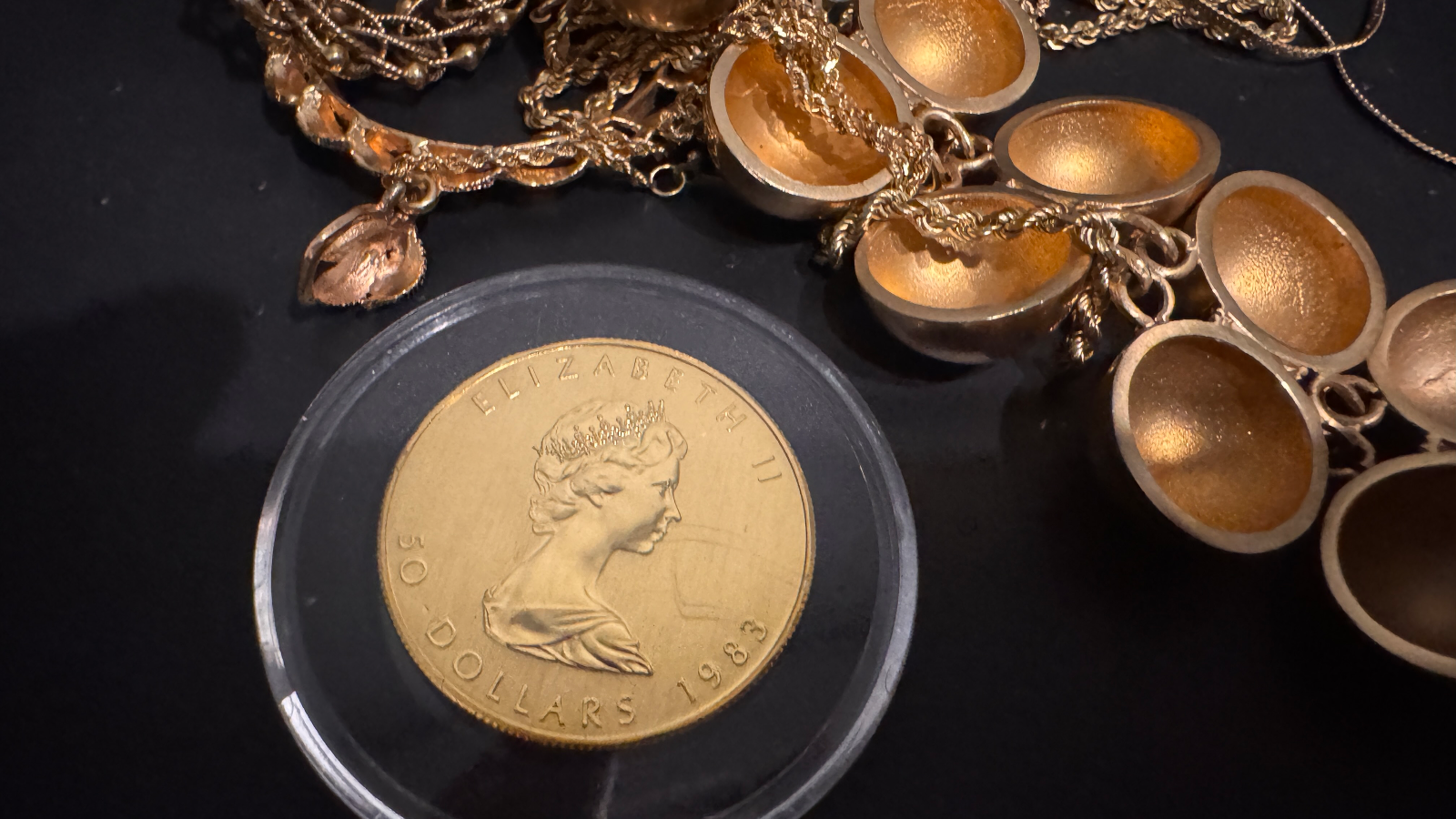
If you're thinking about how to sell gold jewelry for cash, you're probably sitting on more value than you realize, and losing more than you should to buyers who count on you not knowing the math. Whether you've uncovered old chains and rings while cleaning out a closet, inherited a relative's jewelry, or have broken pieces you've been meaning to deal with, the question is the same: is there real money here, and how do you actually get it?
Most first-time sellers walk into that situation with three problems. They don't know what their gold is actually worth, they don't know which buyers are trustworthy, and they're afraid of walking away with far less than the metal deserves. Those are legitimate concerns, and this guide addresses all three directly. By the end, you'll know how to calculate a fair offer, how to prepare your pieces, and how to compare buyers so you leave with the most cash possible.
If you're in the Kansas City area, KC Gold and Silver is the type of local specialist this guide will help you evaluate, transparent, in-person, and focused on spot-price offers. But the framework here works regardless of where you sell.
What your gold is actually worth before you sell it
The biggest misconception sellers carry into an evaluation is the retail price. A ring bought at a jewelry store for $900 is not worth $900 to a gold buyer. Retail price includes design fees, labor, branding, overhead, and profit margin. When you sell to a scrap gold buyer, none of that transfers. What you're selling is the metal itself, and value starts with two numbers: karat purity and current spot price.
How karat purity determines the gold content
Karat is simply the ratio of pure gold to total metal weight. 24K gold is 99.9% pure gold, 18K is 75% gold, 14K is 58.3%, and 10K is 41.7%. A heavier 10K ring may actually pay less than a lighter 18K piece because the 10K contains less gold per gram. Before you go anywhere, look for the karat stamp on each piece: 10K, 14K, 585 (which means 58.5%), 750 (75%), or 18K. That stamp is where every calculation begins.
The melt value formula explained simply
With gold spot prices fluctuating daily, check a live source like Kitco or APMEX before your appointment for the current rate, the math is straightforward once you know your karat. Weigh the piece in grams, multiply by the karat purity percentage, and multiply that result by the spot price per gram. A 14K gold chain weighing 10 grams contains about 5.83 grams of pure gold. At a spot price of $141/gram, for example, that melt value works out to roughly $822. Gemstones and non-gold components are excluded from this number; most reputable scrap buyers value only the metal content, though a large, high-quality stone may occasionally be appraised separately. That melt value figure is the ceiling, buyers offer a percentage of it, not the full amount.
Why your retail price means nothing at resale
A piece purchased for $800 might carry a melt value of $200, or it might be closer to $600. The retail price tells you nothing about the metal content or current market conditions. Knowing this before you sit across from a buyer keeps the conversation grounded in reality and helps you recognize whether a cash-for-gold offer is fair without anchoring to what you originally paid.
How to prepare your gold pieces before you sell gold jewelry for cash
Twenty minutes of preparation can genuinely improve what you walk away with. The goal is to make the gold jewelry appraisal faster and more accurate, which benefits you and the buyer. Here's exactly how to get ready: sort by karat, gather your ID, and set aside any broken or damaged pieces rather than leaving them behind.
Sort and label pieces by karat before you go
Keep 10K items separate from 14K and 18K pieces. Mixing karats together slows down the process and creates room for error during weighing. If a piece has no visible hallmark, set it aside in its own group. Reputable buyers will test unmarked items on-site, but flagging them upfront speeds things along. A basic system of small labeled bags or envelopes works perfectly.
What ID and paperwork you'll need
Many U.S. gold buyers are required by state law to collect seller information. In Kansas, for example, dealers must verify your identity and have you sign a statement confirming legal ownership of the items and how they were acquired. Missouri requires dealers to record government-issued ID for every transaction. Bring a valid driver's license, passport, or state ID every time. This is standard practice, not something to be alarmed by, and any reputable buyer will handle it the same way.
What to do with broken or damaged jewelry
Don't skip the broken pieces. Broken chains, bent rings, and single earrings with missing partners all have the same melt value as intact pieces, assuming the same karat and weight. Scrap gold buyers care about metal content, not cosmetic condition, so selling broken gold jewelry is no different from selling a pristine necklace. More importantly, don't spend money on repairs before selling. A repaired piece won't fetch a higher offer from a scrap buyer, and you'll spend more on the repair than you'd gain.
Where to sell gold jewelry for cash: an honest comparison
The difference between a low offer and a fair one isn't random. It follows a predictable pattern based on who you sell to. Understanding that pattern lets you make an informed choice instead of taking the first offer you hear.
Pawn shops vs. local gold and coin dealers
Pawn shops are generalists. They buy tools, electronics, musical instruments, and yes, gold. Because they're not specialists, they price in more uncertainty and typically offer 40, 60% of melt value. Dedicated local gold buyers and coin dealers run a tighter operation focused on precious metals. Their offers typically fall in the 65, 85% of melt range because they know the market, move inventory efficiently, and don't need to hedge as much. On a piece with a $500 melt value, that gap can mean $100 or more in your pocket.
Online mail-in gold buyers: higher rates, but real trade-offs
Some online services advertise payouts of 80, 90% of melt value, which is competitive. The trade-offs are real, though. You ship your items blind, then wait several business days for an offer. If you decline, you wait again for your pieces to be returned. For sellers who need same-day cash or simply don't want their jewelry in the mail, that timeline creates friction that a local buyer eliminates entirely.
Why in-person buyers like KC Gold and Silver are worth your first stop
Local precious metal specialists offer something mail-in services and pawn shops generally can't match: full transparency from the moment you walk in. At KC Gold and Silver, the live spot price is on display, testing is done in front of you, and the math behind your offer is shown rather than simply announced. If you accept, you get cash for gold the same day. If you don't, you walk out with your jewelry and a solid baseline for comparison. That combination of transparency and immediacy is why many Kansas City-area sellers choose a local specialist over a pawn shop or a mail-in service when they want to sell gold near me and get a fair price on the spot.
What the evaluation process looks like from start to finish
Walking into an unfamiliar process is uncomfortable, especially when money is on the line. Understanding what a professional gold jewelry appraisal actually involves, step by step, takes most of that uncertainty off the table before you even arrive.
How reputable buyers test your gold on-site
Professional buyers use two primary methods. XRF (X-ray fluorescence) spectroscopy is non-destructive and highly accurate, it reads the elemental composition of the piece's surface and confirms karat without leaving a mark. Acid testing on a touchstone is an older, widely used method that provides a good approximate karat reading, though it's generally considered less precise than XRF. A small streak of the metal is applied to a stone and tested with reagent acids calibrated to specific karats. Both methods are performed in front of you. A buyer who won't show you the test or explain the result is a red flag worth acting on.
How your offer is built from weight and purity
After testing, the buyer weighs your pieces in grams or pennyweights and runs the melt value calculation using the day's spot price. The offer they make is their payout percentage of that figure. Ask them to show you the math. Any buyer worth their reputation will pull up the spot price, walk through the weight and karat, and show you the number they're working from. That transparency is the difference between a fair negotiation and a guessing game.
What to do if the first offer feels low
You are never obligated to accept an offer on the spot. If the number feels low, ask how it was calculated. Get the melt value figure and the payout percentage separately so you can compare them to other offers. Most reputable local dealers and coin shops offer free, no-obligation evaluations, though it's worth confirming when you call, just to avoid surprises. A good buyer will respect that process and won't pressure you into a decision.
How to lock in the best payout when you sell gold jewelry for cash
Two variables are entirely in your control: timing and comparison shopping. Both affect your final number more than most sellers realize, and neither requires any special knowledge, just a few extra minutes before and after your first appointment.
How spot prices affect your cash offer
Gold spot prices move throughout every trading day. A buyer offering 75% of melt value pays more when gold is at $4,400 per troy ounce than when it's at $3,800. Check the live spot price before any appointment so you arrive with a sense of where the market stands. Free spot price tools are widely available online, and any reputable local buyer will also display the current price clearly.
Getting multiple quotes without wasting time
Two or three quotes is usually enough to establish whether an offer is competitive, since payout ranges tend to be consistent across similar buyers. Note the offer amount, the payout percentage, and how clearly each buyer explained their process. The goal isn't just the highest number, it's the highest number from a buyer who showed their work. Those two things usually align with the same operation.
Red flags that signal a low-ball buyer
Watch for buyers who won't disclose the spot price they're using, refuse to test items in front of you, quote by the piece rather than by weight and karat, or push you to decide quickly. These tactics work because most sellers don't know the math. Once you do, they stop working. A buyer who earns your business through transparency doesn't need pressure tactics, and that's exactly the position of strength you're in once you understand how the math works.
Start with a free evaluation and leave with cash the same day
The framework is straightforward: estimate your melt value before you go, sort your pieces and bring your ID, compare at least two buyers, watch the testing happen in front of you, and don't accept an offer that isn't explained clearly. When you know the math behind the offer, the whole process of deciding where to sell gold jewelry for cash becomes far less stressful, and far more profitable.
For Kansas City-area sellers, KC Gold and Silver is a practical first stop. Live spot prices are on display throughout your visit, every piece is tested in front of you using professional equipment, and payment is immediate when you accept an offer. No shipping, no waiting, no surprises. The evaluation is free and carries no obligation, so you leave better informed regardless of what you decide.
Book an appointment online or stop in at your convenience for a no-obligation evaluation. Bring your pieces, bring your ID, and bring a basic sense of what your gold is worth. The rest is handled on the spot.
Keep reading
September 13, 2026
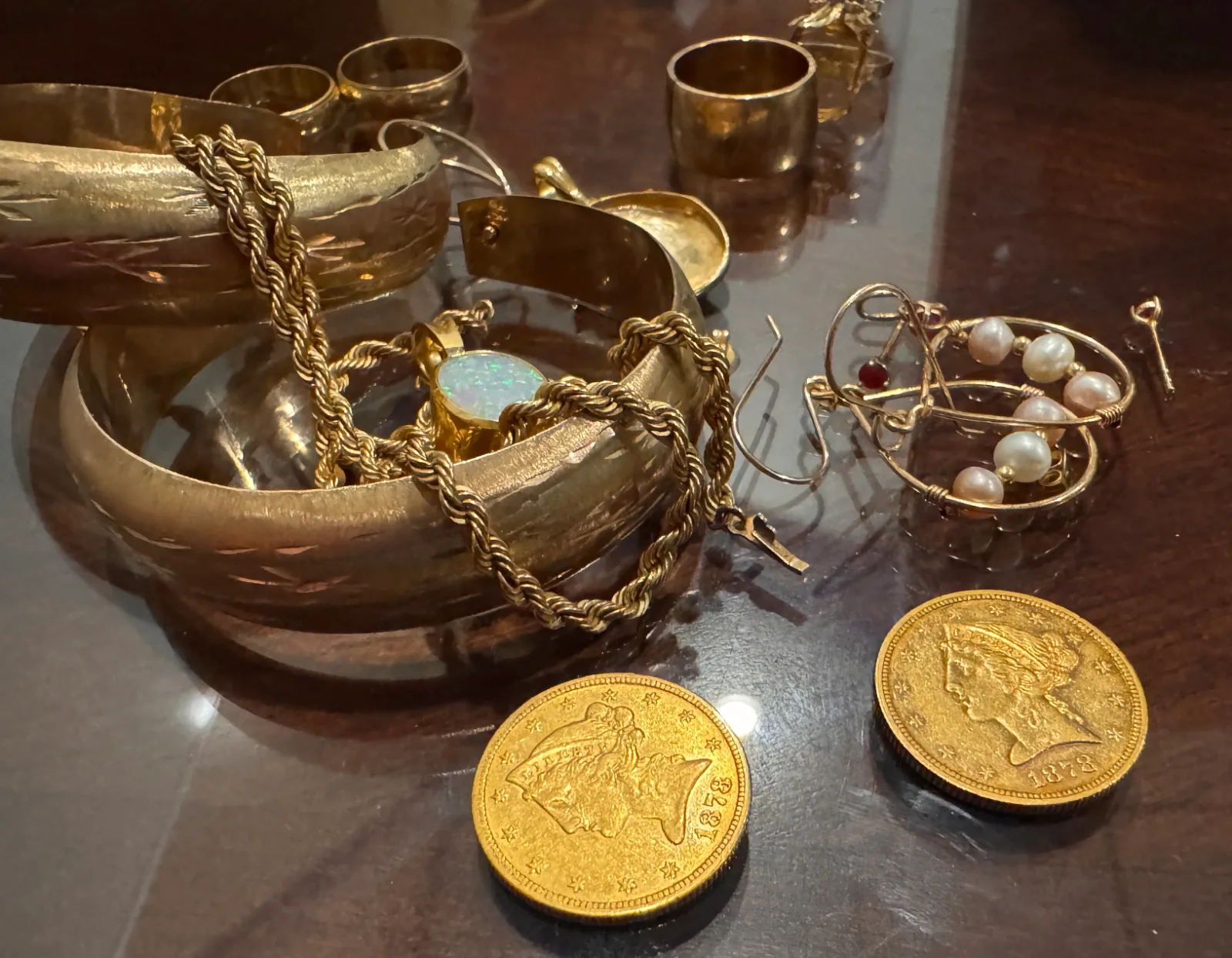
Best Way to Sell Gold for Cash: A Step-by-Step Guide
Most people who sell gold walk away with significantly less cash than their metal was actually worth. The reason usually isn't a scam. It's that they…
Read more →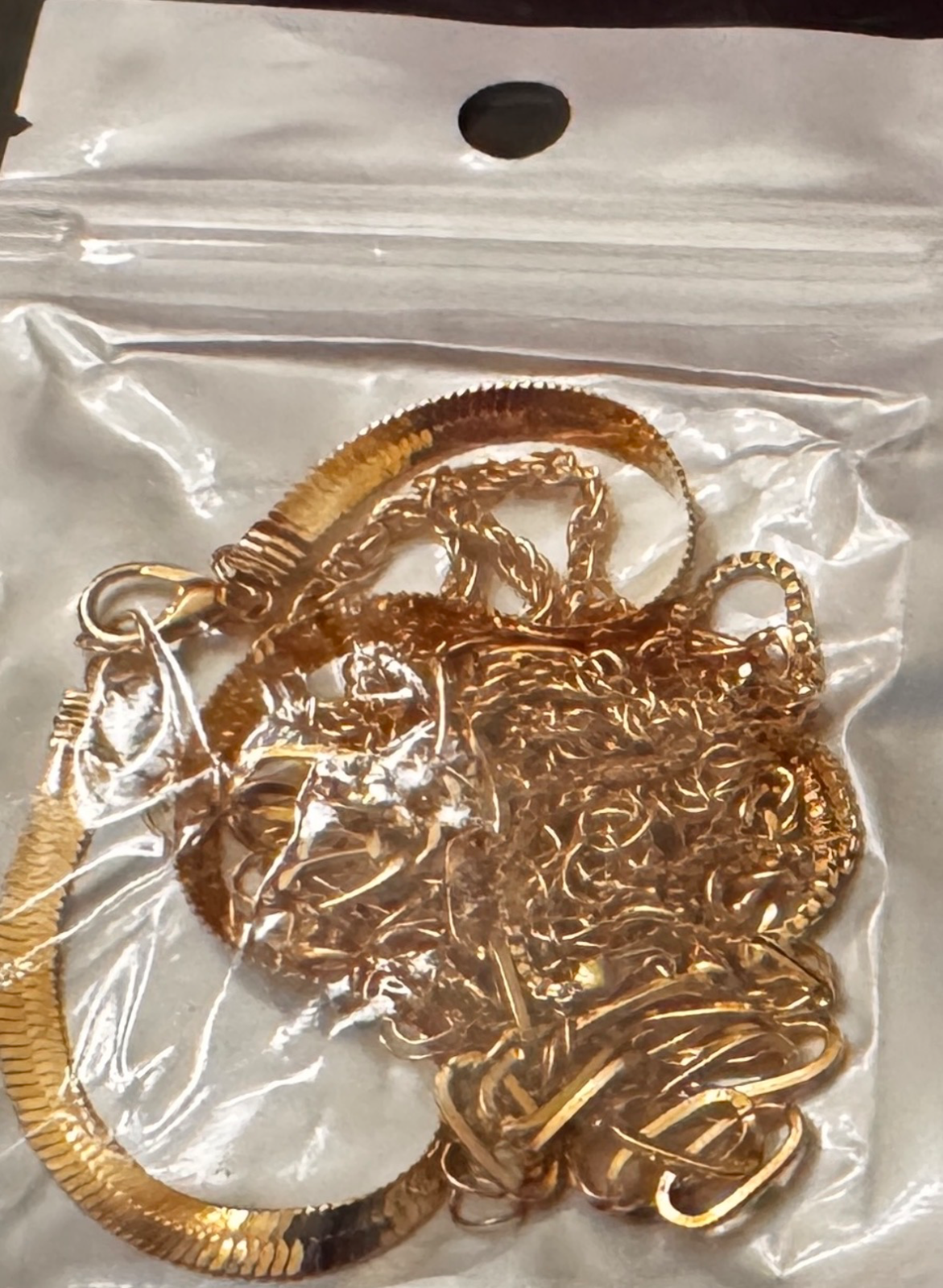
September 12, 2026
Gold spot price at record highs: what sellers should know
When the gold spot price hit a record high of $5,589.38 per troy ounce on January 28, 2026, seasoned dealers stopped mid-sentence. That was the highest…
Read more →
Find out what yours is worth
Bring it by our Lenexa shop for a free, no-pressure evaluation. We test and weigh in front of you, explain the math, and pay on the spot if you accept.