October 11, 2026 · KC Gold and Silver
Sell Gold Locally or Online: Which Option Is Right for You?
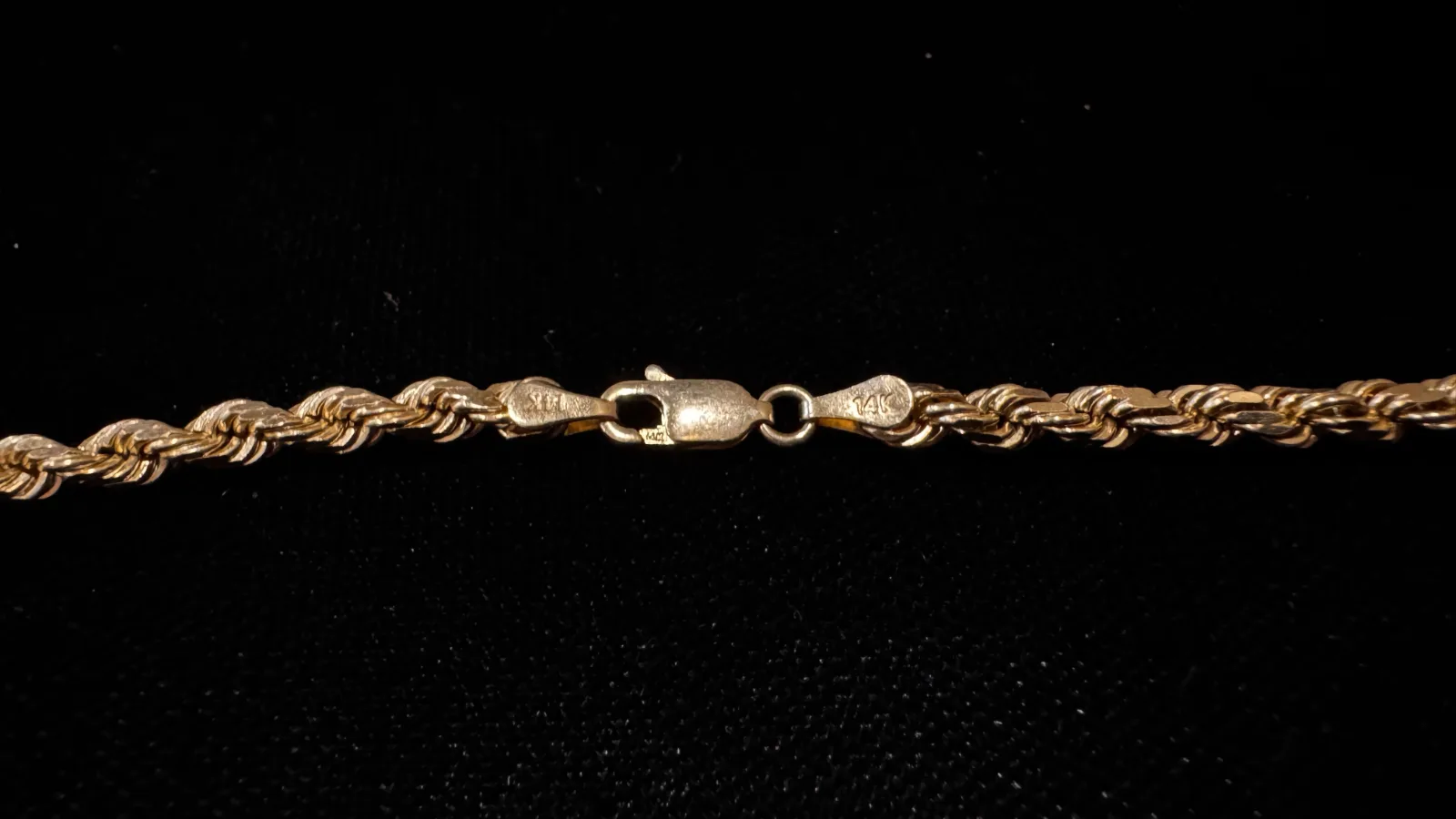
If you are trying to decide whether to sell gold locally or online, the useful question is not which route advertises the biggest number. It is how much work, waiting and uncertainty you are willing to take on to get paid. A broken chain, a single earring, or a box of inherited rings can be turned into cash in several ways, and they differ a lot in effort, in speed, and in how much you can see of what is happening to your pieces.
This guide walks through the options from the one that asks the most of you to the one that asks the least, then covers what to bring and what happens at the counter. We are KC Gold and Silver, a buyer in Lenexa, so we have a view. We will try to be fair to the other routes anyway, because some of them suit some people.
Sell gold locally or online: the routes, from most homework to least
Listing it yourself on an online marketplace
This is the route with the most work. You photograph each piece, write an honest description, answer questions from strangers, pack the item, and ship it. Marketplaces take a cut of the sale, and payment processors take another. You also carry the risks that come with dealing with the public: buyers who dispute a weight or a karat stamp, claims that an item arrived different from what you sent, and the occasional outright scam.
It can make sense for a piece with real appeal as jewelry, such as a signed or distinctive design that a shopper might want to wear. For ordinary scrap, like mismatched earrings and snapped chains, the effort is rarely worth it.
Mailing it to a refiner or mail-in buyer
This route is legitimate, but it is impractical for most people. You request a kit or ship your own package, insure it, send it off, and wait. The buyer tests and weighs your items out of your sight, then emails an offer. If you decline, you wait again for the return. If you accept, payment arrives by deposit or check, and timing depends on the method.
Nothing about that is dishonest. The drawback is that you cannot watch the testing, you cannot ask a question across a counter, and a disagreement about weight or karat has to be settled by email or phone with a facility far away. It is better suited to a large lot of scrap from someone who is in no hurry.
Taking it to a pawn shop
Pawn shops are in the business of lending against items and reselling goods, with gold buying as one part of that. Be clear at the door about what you are asking for. A loan against your jewelry is not a sale. You get money now, but the piece stays as collateral and you owe the loan back with interest, or you forfeit it. Many pawn shops will also buy gold outright if that is what you want, but their pricing reflects that they are weighing resale and loan risk, not specializing in gold.
If you need a short-term loan and plan to come back for the piece, a pawn counter does that. If you simply want to sell, it is worth going to a place that does that every day.
Bringing it to a local dealer
This is the shortest path. You walk in with your gold, the dealer tests and weighs it while you watch, explains how the offer was reached, and you decide. If you say yes, you are paid that day. If you say no, you leave with your jewelry and you are out nothing but a little time. There is no shipping, no listing, and no waiting for a deposit.
The tradeoff is that a dealer is a business and needs room to operate, so a dealer will not pay what you could theoretically get from a private buyer who falls in love with a particular piece. For most gold jewelry, that scenario is rare.
Check what you have before you go anywhere
You do not need an appraisal first, but a few minutes at home helps whichever route you choose.
- Look for stamps. Check the clasp, the inside of a ring band, and the back of a pendant for marks such as 10K, 14K, 18K, 585 or 750. They are a good clue. They are not proof, because stamps can be wrong or misleading, which is why testing exists.
- Try a magnet. Solid gold is not magnetic. If a strong magnet pulls a piece toward it, the piece is not solid gold.
- Look at the surface. Worn spots, flaking or a different color showing through at the edges point to plating.
- Gather paperwork. Old receipts, appraisals or notes about where a piece came from are nice to have, though not required.
Neither home check settles the karat. They only help you sort likely solid pieces from likely plated ones.
What happens at the counter in Lenexa
Here is the visit at KC Gold and Silver, start to finish.
- You bring your items in. There is no need to clean them, sort them, or untangle chains first.
- We test and weigh the pieces in front of you, so you see what we see.
- We explain the offer and how we got to it.
- You choose. There is no pressure and no charge for the evaluation.
- If you accept, you are paid in cash that same day.
Bring a government-issued photo ID, since buyers of precious metals are expected to record who they are buying from. Condition mostly does not matter for scrap gold. Bent rings, broken clasps, single earrings, and tangled chains are all fine to bring. Gold-filled and plated pieces generally carry little or no gold value, and we will tell you plainly if that is what you have.
If you are searching for a place to sell gold near me in the Kansas City area, you can also call (913) 565-4653, which is the same as (913) 565-GOLD, to check hours before you head over.
Warning signs with any buyer, local or remote
Some things should slow you down no matter which route you choose.
- An offer given before your items have been tested or weighed.
- Pressure to accept right now, before you have had a chance to think.
- A mail-in buyer that does not provide an insured shipping label.
- A private buyer who insists on a wire transfer with no platform protection.
A trustworthy buyer shows you the work, lets you take your time, and is fine with you walking away. If any of those is missing, treat that as information.
Gold and taxes, briefly
Taxes on gold generally apply to a gain, meaning the difference between what you paid and what you sold for, and not to the whole amount you receive. Inherited gold is usually treated differently from gold you bought, because the starting value can reset to its worth when you inherited it. Rules vary with your situation, so keep any records you have and ask a tax professional about your own case. We cannot give tax advice.
Our plain recommendation
For most people with jewelry in a drawer, the better way to sell gold is to take it to a local dealer who tests and weighs it in front of you, because you get a real answer and same-day cash in a single visit. Selling online or by mail can work for a patient seller with a specific piece or a large lot. A pawn shop fits when you want a loan rather than a sale. If you just want to know what your gold is worth and be done with it, come see us before you box anything up.
Questions sellers ask us
Do I need an appraisal before I sell my gold jewelry?
No. We test and weigh your pieces at the counter as part of the evaluation, and that is the number that matters. Receipts or older paperwork are welcome, but they are not required.
Does a 14K stamp mean my piece is solid gold?
It means the piece is marked as 14 karat, which is a good sign. Testing confirms it. Plated and gold-filled items sometimes carry marks that sound better than what is underneath, so we check rather than assume.
What if I only have one earring or a chain that is snapped in half?
Bring it. Broken, single and tangled pieces are common and perfectly fine for scrap gold. Condition matters far less than what the metal is.
Will I owe tax on inherited gold?
It depends on your situation. A sale generally creates a taxable gain only if you sell for more than your starting value, and for inherited items that starting value is often set when you inherited them. Keep your records and check with a tax professional.
Can I just get my gold looked at without selling it?
Yes. The evaluation at KC Gold and Silver is free and there is no obligation. You see the testing, hear the offer, and can take your jewelry home if you decide not to sell.
Where do I go in Lenexa, and how do I reach you first?
KC Gold and Silver buys gold jewelry and sterling silver in Lenexa, Kansas. You can call (913) 565-4653, which also spells (913) 565-GOLD, or visit kcgoldandsilver.com to find us before you come in.
Keep reading
October 26, 2026
Local Gold Buyer or Mail-In Service: The Real Difference
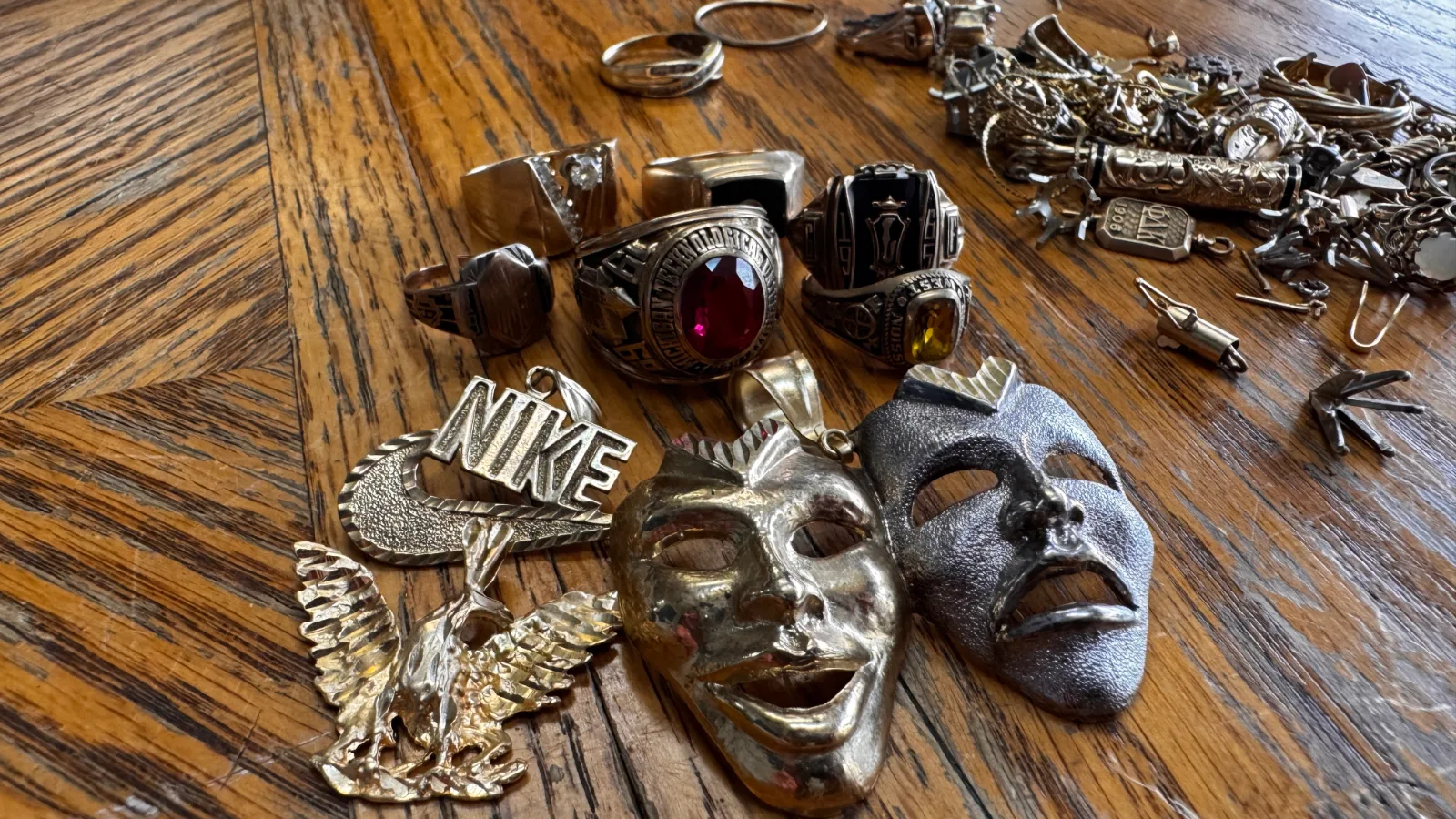
Selling a parent's gold jewelry as a family? See how a local gold buyer compares with a mail-in service when several people have to agree.
Read more →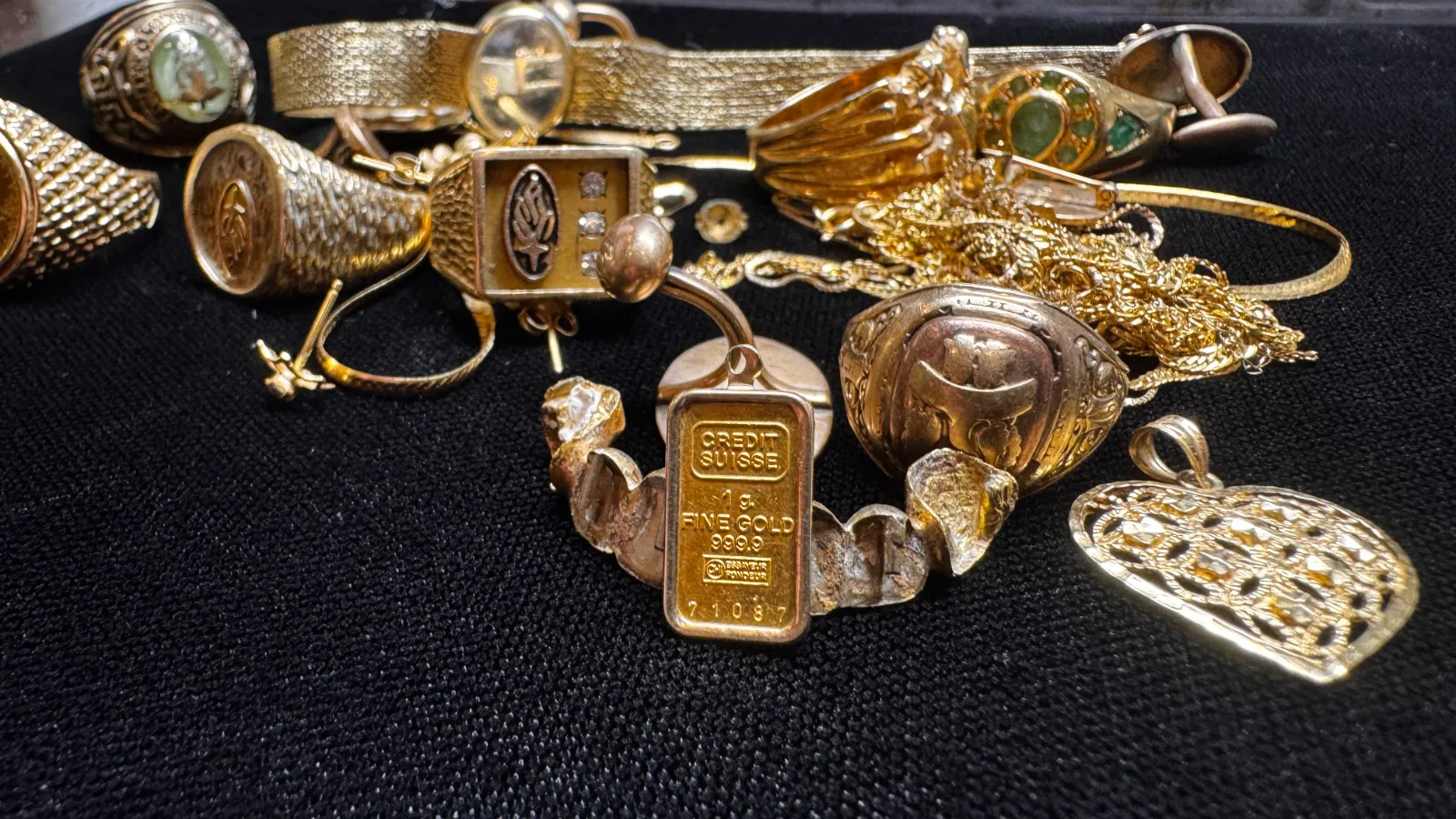
October 25, 2026
Inherited Gold Jewelry: Pawn Shop or Gold Dealer?
Inherited gold jewelry and unsure where to sell? Compare pawn shops vs. gold dealers on price, transparency, and trust — then get the best offer possible.
Read more →
Find out what yours is worth
Bring it by our Lenexa shop for a free, no-pressure evaluation. We test and weigh in front of you, explain the math, and pay on the spot if you accept.