October 19, 2026 · KC Gold and Silver
Do Gold Buyers Accept Dental Gold? Testing and Payout
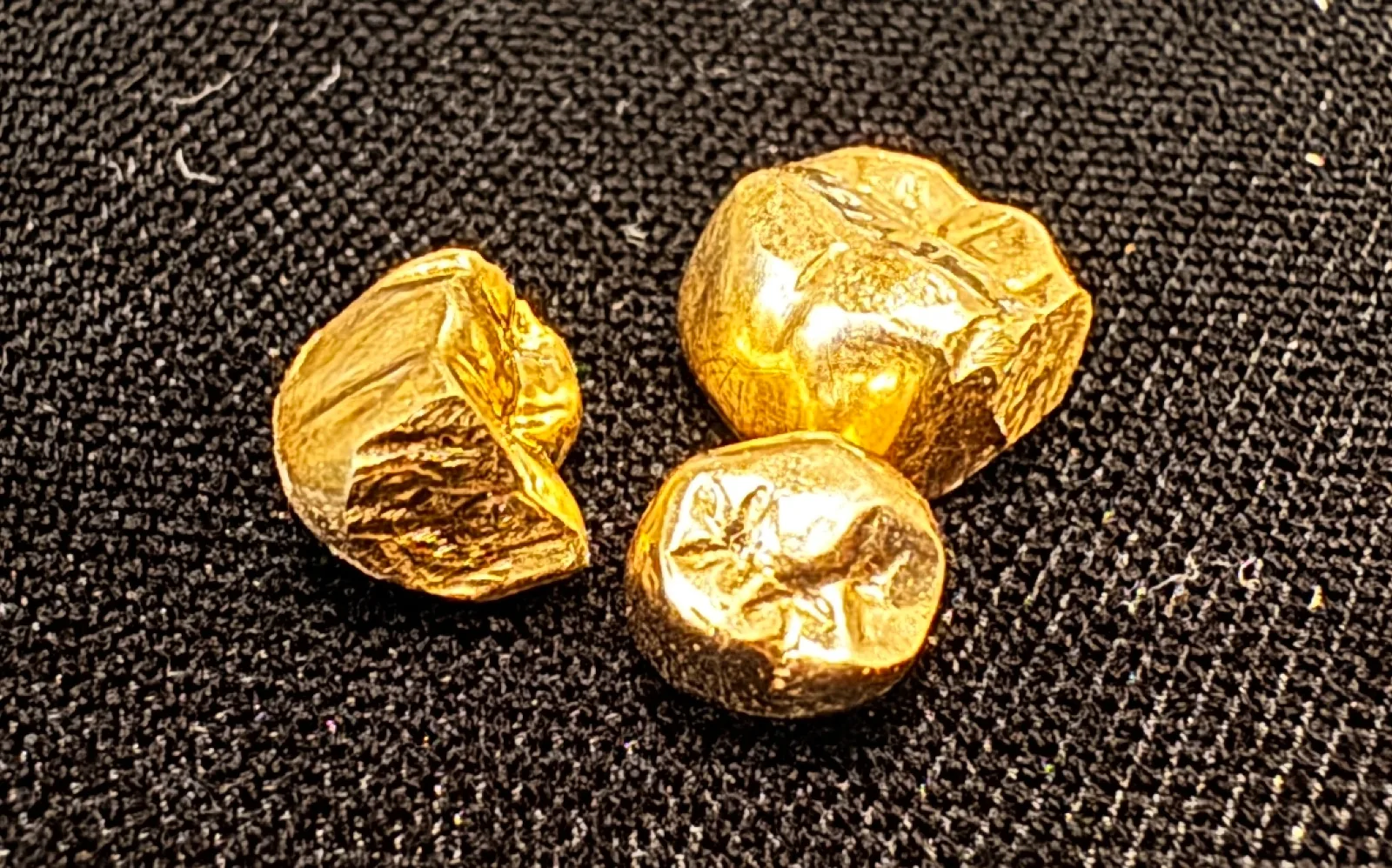
Do gold buyers accept dental gold? If you are clearing out a parent's house, the question usually turns up in a small zip-lock bag or an old pill bottle at the back of a dresser, holding a few gold-colored crowns that nobody wants to talk about. Nobody in the family wants to keep them. The harder part is deciding what to do with them so that nobody ends up feeling shortchanged.
Yes, gold buyers accept dental gold, and KC Gold and Silver in Lenexa buys crowns, bridges, inlays and old gold fillings. The rest of this article is about the part that comes after that answer: what to gather, who should bring it in, and how to divide the result when several people have a claim and none of them has any attachment to the metal.
Do gold buyers accept dental gold from an estate?
They do, and an estate does not make it any different. Gold crowns, porcelain-fused crowns, inlays, onlays, bridges and older fillings are all metal alloys that a refiner can recover. We buy them as scrap metal, not as dental work that someone could reuse. That it was once in a mouth does not rule it out.
Color is a poor guide. A silvery or gray piece may still carry precious metal, and a yellow one is not always rich in gold. That is the reason we test each piece instead of guessing from how it looks. You can read more about how we handle these on our dental gold page, and about scrap gold in general on our scrap gold page.
The argument is rarely about the metal
A handful of crowns is not usually what splits a family. The trouble starts when the bag turns up alongside the rest of the estate and someone says, "Who gets that?" Nobody wants to wear it or display it. So the question is really about fairness and about who gets to decide.
A few things tend to make it easier:
- Agree before anyone drives anywhere. Decide as a group that the pieces will be sold and the money shared. It is much harder to settle that after the cash is on the table.
- Sell it as one lot. Do not sort the crowns by who might have "earned" them. Put everything from the house into one batch, weigh it together, and divide the proceeds.
- Settle the share first. Equal shares is the common choice, but your will or your estate attorney may say otherwise. If the estate is in probate, check with the attorney before you sell anything.
- Write it down. A short note listing what was found, where it was found and who agreed to the sale takes five minutes and prevents a lot of later disagreement.
Who should come to the counter
One person can bring the pieces in, but it should be someone with the authority to sell them. For an estate, that is usually the executor or personal representative, or someone the others have agreed on in writing. We are a dealer, not a lawyer, and we cannot settle a family dispute for you. If the relatives are not in agreement, it is better to sort that out first than to have the sale become the argument.
Whoever comes should bring a government-issued photo ID. We ask for identification and a signed statement that the material is yours to sell, as any licensed precious metals buyer does. You do not need a dentist's receipt or any special paperwork for the crowns themselves. If you have the estate paperwork handy, bring it, since it can help answer questions about where the material came from.
What to put in the bag
Gather everything in one place before you come. That includes the obvious crowns, but also bridges, loose fillings, and any dental piece found in a jewelry box or a bathroom drawer. Old gold jewelry from the same house can come in the same trip, which means one visit for the whole estate instead of several.
Do not clean the pieces. Cement, porcelain and tooth remnants do not need to be removed at home. We deal with that during the evaluation. If something is unpleasant to handle, call us before you come and we will tell you what to do. Otherwise, a small container or bag is all you need.
What happens at the counter in Lenexa
Tested and weighed in front of you, that is how it works. Each piece is looked at, weighed and tested while you and any relatives who came along watch the process. We explain what the testing shows, then make an offer. The evaluation is free, there is no pressure, and you are not obligated to sell. If the family wants to talk it over in the parking lot first, that is fine.
If you do accept, we can pay same-day cash. The whole visit is usually short, though a larger estate lot with jewelry and flatware as well takes longer. Because everything is weighed together on one receipt, you have a single record to show the other heirs.
What we cannot do for you
We want to be plain about the limits. Dental gold is bought as scrap, and a dealer has to pay less than the full value of the metal because we pay to refine and resell it. Porcelain, cement and base metals add weight but not value. Some crowns turn out to be mostly non-precious alloy, and a few are not worth much at all. Nobody can promise a figure from a description or a photo, and we will not try. For a general look at what drives the value of crowns, see our article on dental gold value.
If one relative would like to keep a particular piece for sentimental reasons, that is a family decision, and it is a perfectly good one. Pull it out before you come in.
Questions about selling inherited dental gold
Do gold buyers accept dental gold that came from a deceased relative?
Yes. KC Gold and Silver in Lenexa buys dental gold from estates the same way it buys it from anyone else. We ask for ID and a signed statement that the material is yours to sell, and the pieces are tested and weighed in front of you.
Can one sibling sell the crowns on behalf of everyone?
That depends on the estate. An executor or personal representative normally has that authority, and otherwise it helps to have the other heirs agree in writing. Ask the estate's attorney if you are unsure. We cannot decide ownership for you, but we can give you a receipt for the whole lot.
What is the fairest way to divide the money?
Sell everything as a single lot and split the proceeds according to the will or the share the heirs have agreed on. Equal shares are common. Do not try to divide the pieces themselves, because one crown is rarely the same as another.
Should we clean the crowns before bringing them in?
No. Porcelain and cement do not need to be removed, and cleaning can only cause problems. Bring them as they are in a small bag or container. If something about their condition worries you, call us first.
What if some of the pieces look gray or silver?
Bring them anyway. Appearance does not tell you what is in the alloy, which is why we test. Some gray pieces contain precious metals and some gold-colored ones do not.
What is the phone number for KC Gold and Silver in Lenexa?
Call (913) 565-4653, which is also (913) 565-GOLD, or visit kcgoldandsilver.com. A quick call before you make the trip is a good idea if you have questions about the estate or about what you found.
Keep reading
October 26, 2026
Local Gold Buyer or Mail-In Service: The Real Difference
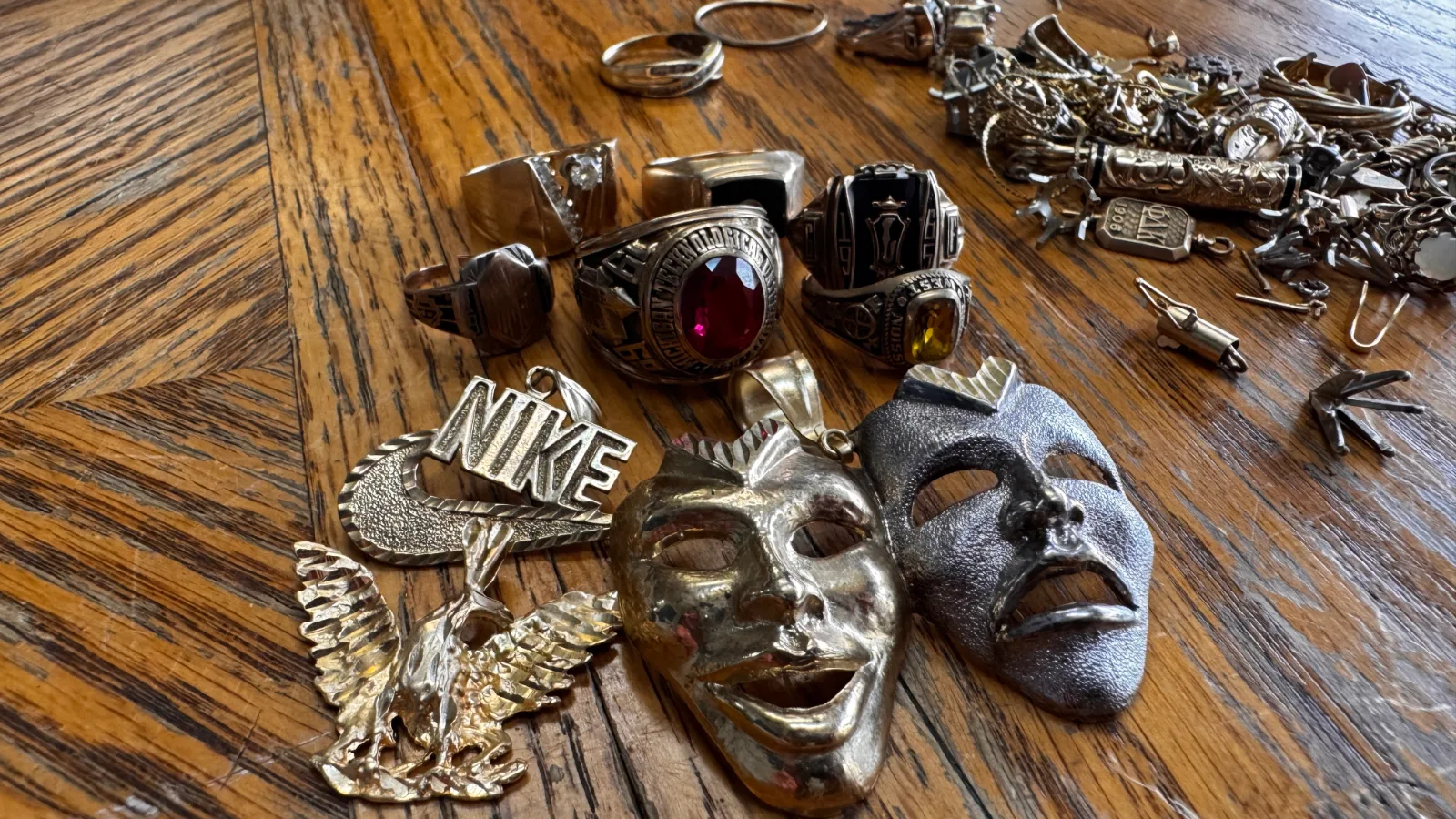
Selling a parent's gold jewelry as a family? See how a local gold buyer compares with a mail-in service when several people have to agree.
Read more →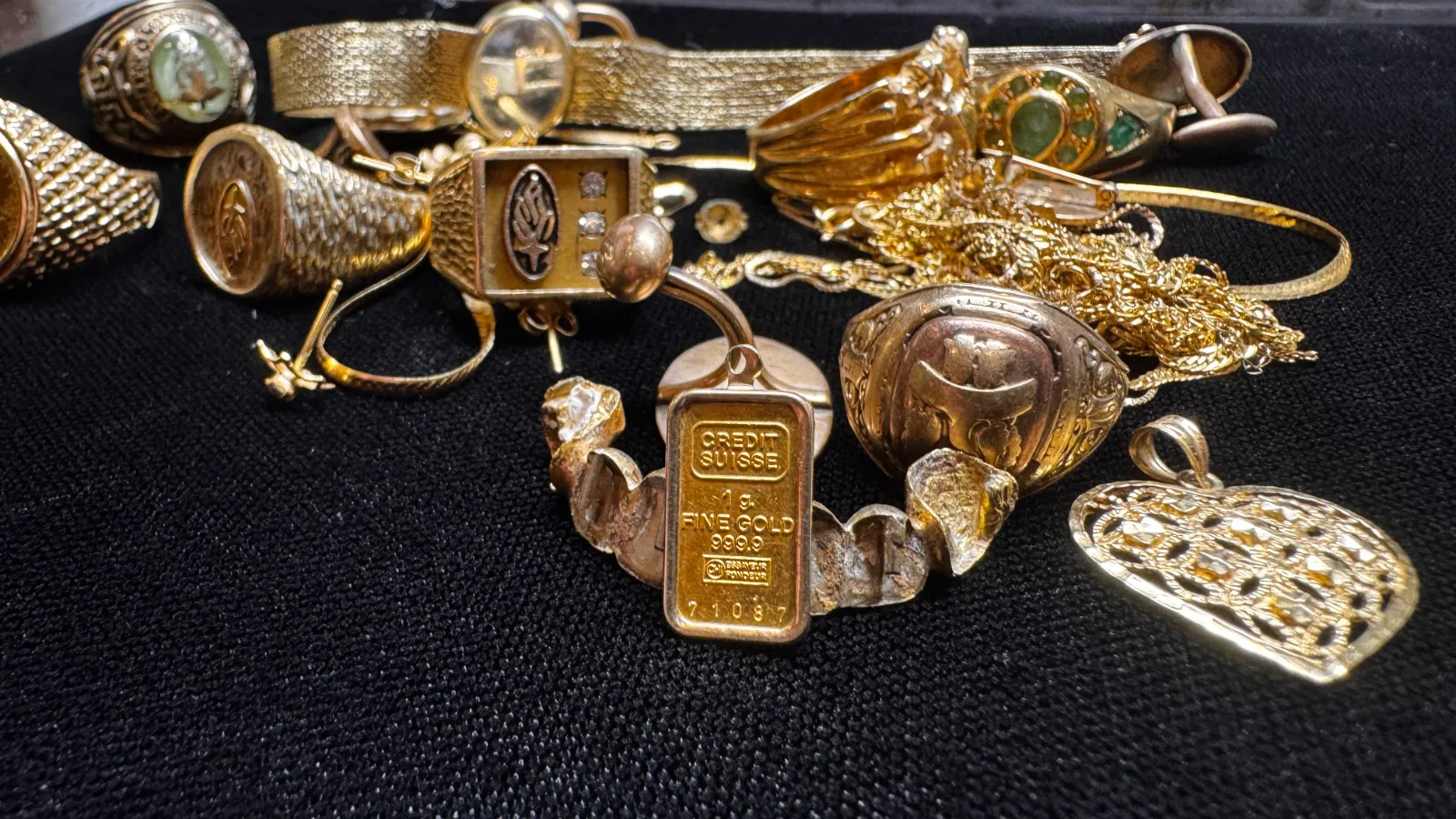
October 25, 2026
Inherited Gold Jewelry: Pawn Shop or Gold Dealer?
Inherited gold jewelry and unsure where to sell? Compare pawn shops vs. gold dealers on price, transparency, and trust — then get the best offer possible.
Read more →
Find out what yours is worth
Bring it by our Lenexa shop for a free, no-pressure evaluation. We test and weigh in front of you, explain the math, and pay on the spot if you accept.